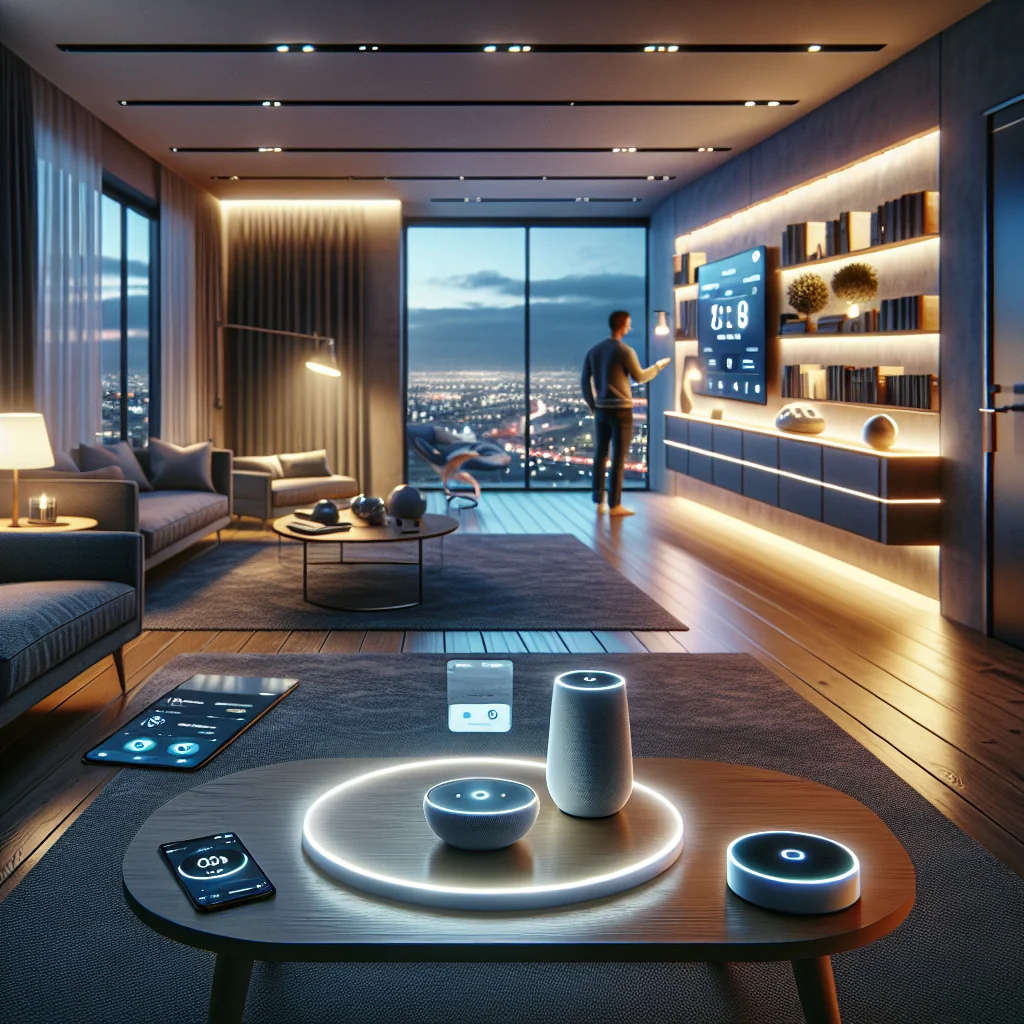
Comparing Beosound Level Speakers in a Smart Home Packed With Devices

If you are comparing Beosound Level speakers, you are already thinking beyond basic Bluetooth audio. Modern homes mix premium speakers with smart home features: Alexa smart home devices, cameras, smart shades, leak sensors, stream boxes, and more. This guide looks at Beosound Level in that wider context so you can see where it fits and whether it is the right centerpiece for your connected home.
Where Beosound Level Fits in a Smart Home Audio Ecosystem
Beosound Level is a portable, Wi‑Fi enabled speaker focused on design, sound quality, and long life. The speaker supports major streaming platforms and works with voice assistants through compatible devices. In a home already using gadgets like Wiim Pro Plus, Echo Frames, and Xumo Stream Box, Beosound Level can act as the “audiophile” hub rather than a simple smart speaker.
Core strengths of Beosound Level in daily use
Instead of trying to replace every Alexa or Google device, Beosound Level usually works best as the main music and listening zone in key rooms. Other devices handle voice control, automation triggers, and notifications, while Beosound Level focuses on refined sound and multiroom audio. This split lets you keep your smart home flexible while still enjoying high quality listening.
Comparing Beosound Level With Other Smart Audio Gear
Many homes already have a mix of speakers and audio features built into other products. To compare Beosound Level fairly, it helps to see how it differs from common smart devices that also play sound. This includes smart speakers, streamers, headphones, and audio inside TV boxes.
Beosound Level as a design‑first hi‑fi speaker
Beosound Level is closer to a design object and hi‑fi speaker than to a basic smart speaker. The focus is on acoustic performance, modular parts, and flexible placement on a table, wall, or shelf. In contrast, devices like Alexa smart home speakers or the Xumo Stream Box focus more on control and streaming access than on premium audio.
Below is a high-level comparison of Beosound Level and several popular smart-home-related audio options.
Comparison overview: Beosound Level vs other audio‑related smart devices
| Device | Main Role | Audio Focus | Smart Integration Style |
|---|---|---|---|
| Beosound Level | Premium wireless speaker | High-fidelity music, room‑adaptive sound | Works with streaming apps, voice via companion devices |
| Alexa smart home devices | Voice assistant and control hub | Good for voice, casual listening | Native Alexa skills, routines, device control |
| Wiim Pro Plus | Network audio streamer | Feeds hi‑fi systems with streaming audio | App‑based control, connects to existing amps or speakers |
| Xumo Stream Box | Streaming TV box | TV and movie audio through TV or soundbar | App platform for video; links with TV ecosystem |
| Echo Frames | Wearable Alexa glasses | Personal, near‑ear audio | Hands‑free Alexa, notifications, on‑the‑go control |
| Marshall Major IV headphones | Wireless headphones | Personal music listening | Bluetooth connection to phone or laptop |
Seen this way, Beosound Level is best compared with hi‑fi speakers and streamers, not with low-cost smart speakers. In many setups it becomes the living room or kitchen showpiece speaker that everything else quietly supports, rather than the main automation brain.
Beosound Level vs Wiim Pro Plus and Other Streaming Brains
Many smart homes use a Wiim Pro Plus as the central streaming brain for legacy amplifiers and speakers. Wiim Pro Plus adds modern streaming and multiroom audio to older audio systems. When comparing Beosound Level to Wiim Pro Plus, you are really comparing an all‑in‑one speaker to a streaming hub that depends on other gear.
All‑in‑one speaker versus modular audio chain
Beosound Level includes the amplifier, speakers, and wireless tech in one design. Wiim Pro Plus assumes you already have speakers and an amp. If you like the idea of a minimalist room with one beautiful object that handles everything, Beosound Level fits that vision better than a separate streamer plus boxes and cables.
However, in a home already wired with ceiling speakers or a big AV receiver, Wiim Pro Plus may stay as the main audio engine, while Beosound Level covers flexible zones like the kitchen, office, or bedroom where you want both style and sound quality.
How Beosound Level Compares to Alexa Smart Home Devices
Alexa smart home devices are often the first step into automation. They control lights, check water leak sensor alerts, arm cameras, and answer quick questions. They also play music, but sound quality is usually secondary. Comparing Beosound Level to Alexa devices highlights a clear split: voice assistant gear versus premium audio gear.
Dividing roles between voice control and high quality sound
In a smart home that already uses Alexa, a common pattern is to leave an Echo device in each room for voice control, then send music to a Beosound Level in key listening spaces. Alexa handles the command, while Beosound Level handles the playback. You get the speed and range of Alexa skills plus a much more refined soundstage.
If you also use Echo Frames, you gain the option of controlling Beosound Level from anywhere in the house with voice, even if you are not near the speaker itself. This turns the Level into a simple endpoint with smart control coming from Alexa devices and routines.
Video and Audio Together: Beosound Level, Xumo Stream Box, and Verizon Play Plus
Smart homes often revolve around screens as much as speakers. Devices like the Xumo Stream Box and Verizon Play Plus focus on video streaming services. Questions like “how much is DirecTV Stream” and “what is the Xumo Stream Box price” are common when people compare content platforms, but those platforms rarely solve audio quality by themselves.
Using Beosound Level as the music zone beside your main TV
Beosound Level can complement these video services by handling music listening away from the TV. While the TV and Xumo Stream Box handle movies and shows, Beosound Level becomes the go‑to device for Spotify Duo Plan sessions, podcasts, or background music while you cook or work.
If you stream DirecTV Stream or Verizon Play Plus on a main TV, consider using Beosound Level in adjacent spaces like a dining area or office. That way you avoid blasting TV audio throughout the house and instead keep a clear separation between focused viewing and ambient music zones.
Security and Alerts: Cameras, Doorbells, and Beosound Level
A modern smart home often includes Ring Stick Up Cam, Aosu cameras, Tapo doorbells, and water leak sensors. Most of these devices have their own apps and sometimes their own speakers. However, the audio from these built‑in speakers is usually functional rather than enjoyable.
Keeping alerts and comfort audio in separate channels
When comparing Beosound Level to these devices, think about roles: cameras and doorbells provide awareness and alerts, while Beosound Level provides comfort and atmosphere. You might get a chime from a Tapo doorbell or a notification from a water leak sensor, but you listen to music or news briefings through Beosound Level.
Even though Beosound Level is not a siren, you can still use smart routines so that alerts from a Ring Stick Up Cam, an Aosu camera app, or a Hive smoke alarm notification pause your music or trigger a voice update through an Alexa device. Beosound Level stays dedicated to quality playback, while safety devices handle alarms and warnings.
Smart Shades, Lighting, and the Role of Beosound Level
Smart shading systems like Hunter Douglas motorized shades and Ryse smart shades change how light enters your rooms. Audio should match that change. When shades open in the morning, you might want soft music; when they close at night, you might prefer calm playlists or podcasts.
Linking light, sound, and time of day
Compared with these shading systems, Beosound Level sits in the experience layer. Shades control light, while Beosound Level controls sound. Together, they shape how a room feels at different times of day. This is a different kind of comparison: not feature‑by‑feature, but “how much does each device add to daily comfort?”
Using automation, you can tie Hunter Douglas motorized shades or Ryse smart shades to scenes that also start or stop playback on Beosound Level. The result is a coordinated environment where light and sound shift together based on time, weather, or presence.
How Beosound Level Fits With Other Lifestyle Devices
Many smart homes also include lifestyle and subscription services: iRobot Select for cleaning robots, Spotify Duo Plan for shared music, and wearables like Marshall Major IV headphones. These devices shape how and where you listen across the day.
Shared listening versus personal listening
In this mix, Beosound Level often becomes the social audio device, while other gear stays personal. The differences show up clearly in daily routines and habits.
- Marshall Major IV headphones give private listening; Beosound Level gives shared listening.
- Spotify Duo Plan keeps separate tastes; Beosound Level becomes the neutral space for shared playlists.
- iRobot Select handles cleaning; Beosound Level masks noise with music or podcasts while the robot works.
Headphones, Echo Frames, and phones are for one person at a time. Beosound Level is where family or friends gather, whether that is in a kitchen, living room, or office corner. That social role is a key part of the comparison with more personal audio gear.
Comparing Beosound Level to Other Smart Home Priorities
When you list everything a modern smart home can include—best home weather stations, Woosh air filters, Hive smoke alarms, water leak sensors, cameras, stream boxes, and smart shades—it becomes clear that Beosound Level is one part of a much larger picture. The key question is where audio ranks in your priority list.
Balancing safety, comfort, and enjoyment
If your main focus is security, you might invest first in an Aosu camera setup, a Ring Stick Up Cam, a Tapo doorbell, and a reliable water leak sensor. If comfort is a priority, you might look at Woosh air filters, Hunter Douglas motorized shades, and Ryse smart shades. Beosound Level makes the most sense once those basics are in place and you are ready to upgrade the feel of your spaces.
Compared with many of these devices, Beosound Level does not protect you or filter air. Instead, the speaker adds quality of life: better music, better design, and a calmer environment. For many people, that is worth as much as another small gadget, especially in rooms where they spend most of their time.
Simple Decision Path: Is Beosound Level Right for Your Smart Home?
To bring all these comparisons together, it helps to walk through a short decision path. This quick check focuses on how you use your home today and what you value most in audio.
Step‑by‑step way to compare Beosound Level to your other options
Use the ordered list below as a simple decision helper while comparing Beosound Level speakers with other gear and priorities.
- Confirm that basic security is covered with cameras, doorbells, leak sensors, and alarms.
- Check that core comfort gear such as smart shades and air filters is in place.
- List your main listening spots and note where design and sound matter most.
- Decide if you prefer an all‑in‑one speaker or a streamer plus separate speakers.
- Review how often you use Alexa or other assistants for voice control.
- Plan which rooms need Echo devices and which need Beosound Level as the main speaker.
- Think about personal listening habits with headphones versus shared listening with guests.
- Set a clear budget for audio so you can compare Beosound Level with other upgrades.
By the end of this quick process, you should know if Beosound Level is a central upgrade or a nice extra. Comparing Beosound Level speakers in this structured way keeps you focused on roles, habits, and rooms, rather than on isolated features or prices alone.