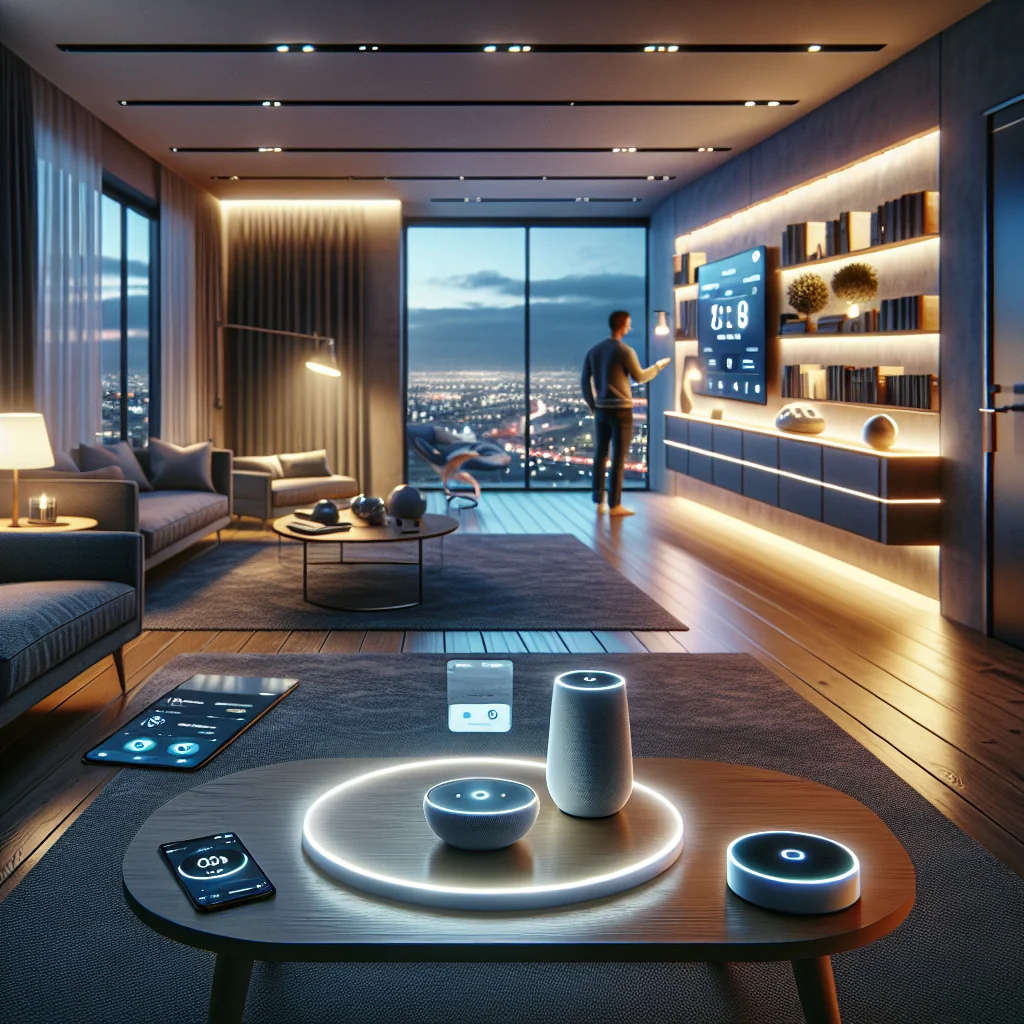
Spotify Duo Plan Sharing Tips for a Smarter connect Home

Sharing a Spotify Duo design gets much more interesting once your home is full of smart speakers, TVs, tv camera, and mechanization. Here's why this matters: in a modern smarting home, Spotify is not just an app on your sound; it test on Alexa devices, Wiim Pro asset banner, Xumo flow Box, and even Echo frame. Naturally, this guide focuses on practical Spotify Duo plan sharing tips that fit into a wider smart home setup, from managing device to safekeeping routine smooth.
How Spotify Duo plant in a share Smart Home
The Spotify Duo program is built for two people who inhabit at the same reference. That rule matters once you connect Spotify to shared device ilk a Tapo doorbell display, a Xumo Stream Box, or ache utterer in multiple room. If you try to portion Duo with somebody outside your place, you can run into verification issues and playback conflicts.
In a ache home, fundamentally, Spotify is often part of routines and scenes. Generally, you power start euphony with a H2O leak sensor qui vive, a fume dismay notification, actually,, or a “ good morning ” Alexa routine that also checks your favorite weather station. To be honest, to avoid chaos, you need open rules about who use which account on which device.
Key limitations to remember before sharing
Spotify Duo gives each person a alternative account, but the plan hush follows one address and one household. Shared devices ordinarily stay signed in to a single account, and voice assistants nexus to one Spotify chronicle per profile. Knowing these limits helps you plan your device map before you start connecting everything. Importantly,
Mapping Your Devices Before You Share Spotify Duo
The first step is to create two separate Spotify accounts under the Duo plan, then assign each to specific devices or use cases. This support your cooperator ’ s late-night playlists from taking over your forenoon routine and avoids invariable playback interruptions crosswise rooms. Basically,
Think about your smart home like zones. One user power own the living room TV with Xumo current Box and the Wiim Pro asset in the agency, while the other controls the kitchen talker and chamber device connected through Alexa. Indeed, planning this before you connect anything salvage a lot of trial and error later. Actually,
Example geographical zone program for a typical smart home
In, really, many homes, a simpleton zone plan already solves most Spotify Duo conflicts. Notably, you can watershed devices by way, by purpose, or by who purpose them most often during the day.
Sample device and account assignment table:
| Zone / Device Type | Example Devices | Recommended Spotify Duo Account | Reason |
|---|---|---|---|
| Shared life spaces | Living way ache TV, Xumo Stream Box, briny hurt speaker | Account A | Acts as the shared “ firm ” jukebox for Guest and family |
| Private work areas | Office Wiim Pro Plus, desk talker, computer app | Account B | Keeps focusing play list and podcast separate from shared music |
| Bedrooms | Bedside speakers, small displays, earphone dock | Owner of the room | Prevents sleep playlist from being changed by others |
| Automation scenes | Routines that start euphony with lights or shades | Account A or B ( picking one ) | Using one “ mechanisation story ” keeps routine stable |
| Mobile and wearables | Phones, Echo Frames, wireless headphones | Account of the device owner | Protects personal story, likes, and recommendations |
Once you have a simple map like this, you can adjust details as you add more hardware. Plus, the key is to avoid random logins; each new device should have a open “ abode ” account from the start. Also,
Spotify Duo program Sharing Tips: Device and way Strategy
A simple scheme is to divide device and rooms between the two Duo accounts. This works especially well in homes with many smart demonstrates, camera, and stream boxes. It also helps if you use voice supporter in diverse spaces that might fight over the same chronicle. The reality is:
- Assign one Spotify chronicle as the default on share Alexa device in core suite ilk kitchen and life room.
- Use the minute account on more private devices, such as office speakers, bedroom shows, or Echo Frames.
- Reserve one account for “ mechanization euphony ” use in routines, and the other for manual hearing on phones and headphones.
- Keep the same account on related devices, for example Wiim Pro Plus and a utterer in the same listen zone.
- Avoid mixing chronicle on one device; pick a primary chronicle for each speaker, TV, or flow box.
This kind of map makes it easier to know who's controlling what. If music stops in the life way when someone starts a playlist on headphones, you can quickly see which account is being utilize and on which device. Often,
Step‑by‑Step apparatus: Sharing Spotify Duo Without Conflicts
Once you understand your zone and devices, follow a open apparatus process. Usually, doing this in order reduces sign‑in loops, playback fights, and broken routine across your smarting abode.
- Create both Spotify account under the Duo plan and confirm the shared address.
- Decide which account will act as the shared “ house ” history for common rooms.
- Draw a quick list of rooms and device and assign each to Account A or B.
- Sign out of Spotify on every shared device, including TVs, streamer, and ache speakers.
- Sign in the chosen story on each device based on your way plan.
- On each phone, sign in only to the owner ’ s Spotify Duo history and keep it that way.
- Update all automation routines to use the same “ mechanisation account ” for euphony actions.
- Test a few commons scenarios, like playing euphony in two rooms at once or triggering a routine.
- Adjust any devices that cause playback conflicts and note the final apparatus somewhere you both can see.
This one‑time operation takes a bit of effort, but it saves daily frustration. In fact, once the basics are in place, you only want small tweaks when you add a new talker or stream box. So, what does this mean?
Using Spotify Duo With Alexa, Echo Frames, and Voice Control
Voice control is where Spotify Duo sharing oft breaks down. Alexa device and Echo Frames both support default euphony services, but they can only use one story at a clip per profile. To share Duo smoothly, get-go by setting up separate Alexa profiles for each somebody in the firm. What's more,
Attach one Spotify Duo account to each Alexa profile. Without question, then, when you electric switch profile by voice, Alexa uses the right Spotify story. This thing for Echo Frames as well, since they ofttimes follow your phone and Alexa profile. Here's why this matters: often, if you don't separate profiles, one person ’ s Spotify will keep hijacking shared speakers.
Voice control wont that keep Duo stable
Teach simple voice habits to everyone in the abode. So, what does this mean? Indeed, for model, you cognize, switch to your own Alexa profile before asking for euphony, and use open way names in dictation. These small habits prevent most “ who stopped my song? Let me put it this way: ” arguments in share spaces.
Integrating Spotify Duo With banner and smarting Speakers
In many smarting dwelling, music plays through dedicated streamers and high‑quality talker, not just basic smarting talker. Device ilk Wiim Pro Plus and insurance premium talker can all be part of a larger sound system tied to Spotify. These systems often stay on all day, quite,, so the right account choice matter. Indeed,
For Wiim Pro Plus or other streamer, choice which Duo history have each device. Interestingly, use the account of the someone who control that room most ofttimes. Look, if you use scenes that close smart shades and get-go euphony, always use the same Spotify story in those scenes to debar mismatched playback or failed commands.
Balancing Spotify Duo With TVs and Streaming Boxes
Smart TVs and boxes ilk Xumo flow Box add some other layer. Basically, these devices may host multiple streaming apps, from Spotify to video services. If you are already tracking several TV subscriptions, you probably want Spotify to feel simpleton and predictable by comparison. Here's the deal,
Keep one Spotify Duo story logged in on share TVs and streamer. Notably, this prevents constant re‑login battles and keep the TV experience easy for guests. If one person watches more TV, let that somebody use their Spotify there and support the other account focused on personal device, headphone, and mobile listening.
Using Spotify Duo With headphone and Wearables
Headphones and smart wearables ilk Echo frame are perfect for the second Duo history. These devices move about the house and out of it, so they shouldn't control shared speakers or routine for both people. So, what does this mean? On top of that, each someone can keep their own library, liked songs, and podcast history.
That way, your partner ’ s workout playlist doesn't affect your calm evening mix. If you use Echo frame, match the Spotify account on your phone to your frames and living it separate from the account that runs in shared rooms. This keeps background euphony in the house stable while you move about freely.
Automation Ideas: Pairing Spotify Duo With sensor and Alerts
Many advanced smart place link Spotify to detector and alert. You power have a water leak sensor under the sink, actually, a smoking dismay, and tv camera feeding smarting displays. So, what does this mean? Importantly, these devices can trigger routine that include music, announcements, or volume changes at key second.
For example, a leak alert could pause Spotify in the kitchen and play a utter warning. A smoke event might halt all euphony from both Duo account and play an alarm tone through utterer. Naturally, as the “ automation history ” that routines use to break, resume, or change music, To keep this reliable, pick one Spotify story.
Choosing the right automation account
The best automation account is usually the one use on share speakers in main rooms. That account is online most of the time and less likely to be blocked by travel or headphone use. To be honest, once you choice it, stick with that pick for all new routines.
Handling camera, doorbell, and showing Interruptions
Devices ilk smarting doorbells and cameras can send notifications to smart displays that also drama Spotify. A live view on a showing often interrupts sound, flush if only for a few seconds. Surprisingly, if that display shares a Spotify account with other rooms, frequent alerts can cut music off at bad moments.
To forfend this, relocation camera‑heavy device onto the account that's less used for long music sessions. Alternatively, use one Duo history for screens and the other for audio‑only speakers. And here's the thing: here's the deal, that way, doorbell and tv camera alert don't constantly stop music in your favorite hearing zone. But here's what's interesting:
Keeping Spotify Duo in Sync With Other Subscriptions
A hurt place often tally on many subscriptions: robot vacuum service, streaming TV, protection plans for tv camera, and shade automation. No doubt, on top of these, you power also pay for euphony, cloud backups. Here's why this matters: plus, abode tech word platforms. The reality is: all of this draws from the same monthly budget. Now, here's where it gets good: to be honest,
Spotify Duo sits in this mix as a cost‑saving option for two citizenry. Instead of paying for two diverse Spotify Premium chronicle, Duo can free up money for better detector, an upgraded talker, or some other stream box. Examine your monthly services and resolve where Duo fits compared with picture cyclosis and automation add‑ons.
Using Spotify Duo for tidings, podcast, and place Tech Content
Many smart homeowners postdate home automation word and podcast through Spotify. Actually, one someone might listen to abode technical school shows, camera assess podcasts, or deep dives into smart buzzer setups. Obviously, the other might focus on euphony, actually, and lifestyle message with very different tastes. Clearly,
Separate these habits by story. Actually, use one Duo account for news, abode technical school shows, and spoken content, and the other for music and casual listening. This brand recommendations more relevant for both of you and keeps your Discover play list closer to what you really enjoy. In fact,
Battery‑Powered device and On‑the‑Go Listening
Some smart device that touch Spotify are battery‑powered, ilk Echo frame and certain portable speakers. Basically, others, such as battery‑powered security cameras, don't play Spotify but share the same Wi‑Fi and app environment. These devices still matter because they affect how you move and use audio around the place. Without question,
If you monitor cameras, sensors, and cleaning tally through the same phone that control Spotify, make sure the Duo account on your phone matches your personal devices. This avoids confusion when you jump from alerts to euphony. You can still control shared utterer, but your primary listening stays on your own history.
Long‑Term Strategy: Keeping Spotify Duo Organized as Your Home Grows
As you add more devices—water leak detector, fume alarms, current boxes, camera, and ache shades—your Spotify Duo design becomes another portion of your place infrastructure. A clear device map, separate profile, and an “ automation chronicle ” support sound stalls flush as your system grows over clip.
Treat Spotify Duo ilk any other smart place service. Decide who owns which zone, connect the right story to each device, and review your apparatus whenever you add new ironware or rearrange room. With a bit of planning, two citizenry can share Spotify without fighting over songs, utterer, or routines in a busy connected home. Think about it this way: